


Tau & the Drones of Praise
Imbas
Oksana Sacred Creations
ImbasVibrational jewellery and pottery to assist with expanding our consciousness.
Oksana Utkina is a ceramic artist and jeweler who creates beautiful, soul-filled pieces of jewellery. Oksana’s process is highly intuitive and spontaneous, led by the subtle stirrings of her spirit.


Pagan Perspectives Podcast
ImbasExploring the pagan perspective through the eyes, voices and stories of our pagan community. Weaving the Elements in & around, together we light a fire of insight & inspiration. Delving into the jewels of self discovery through an eclectic brew of pagan voices. Creating rituals of communion within the circle of our community, inviting expanding perspectives.

Patsy Preston
ImbasBorn in Belfast, Patsy is now based in Westmeath, in the heart of Ireland. An early career in hand painted and digital sign-writing honed her eye for detail and a commitment to developing practice led to degree in Art & Design from GMIT. Combining her formal training along with years of experimenting with a wide range of materials and media, she applies artistic discipline in a myriad of ways.
Patsy is very creatively active and believes strongly in the potential of art to assist others to become more empowered and motivated.
She uses organic materials, cement render, re-cycled items, mosaic and traditional paint finishes. Often referencing the visual language of the earth and mythology to explore the realms of imagination and intuition. she has a huge body of work, including community art projects, private commissions, festival installations, commercial decor and gallery shows.
if you have an artistic idea or project you would like to see undertaken or developed, Patsy will work with you or your group to bring your vision into the light.


Faerie Tailor
Imbas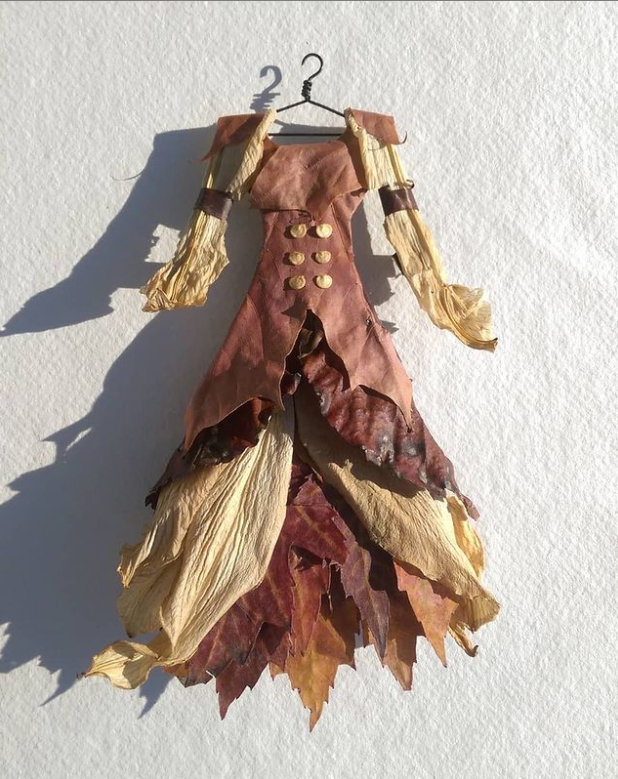


Save Irish Fairy Forts
TallamhSave Irish Fairy Forts aims to raise public awareness of monument damage and destruction, it also aims to include the community in protecting our heritage, and inform the public that monument damage is ongoing in the Irish countryside.
It will show the public, including landowners, how to identify and learn more about archaeological monuments, and how to recognize damage and destruction of monuments by physically observing, and using freely available aerial photographs and satellite imagery to monitor damage.
It also encourages the public to report instances of monument damage to the National Monuments Service, and to highlight recorded damage on here, and in local and social media.
Protecting our monuments for future generations is our responsibility. These monuments are part of our heritage, and we are the guardians of the past, who must ensure those remaining are saved for future generations to see and enjoy.

Wild Routes Ireland
TallamhWhat sets Wild Routes Ireland apart?
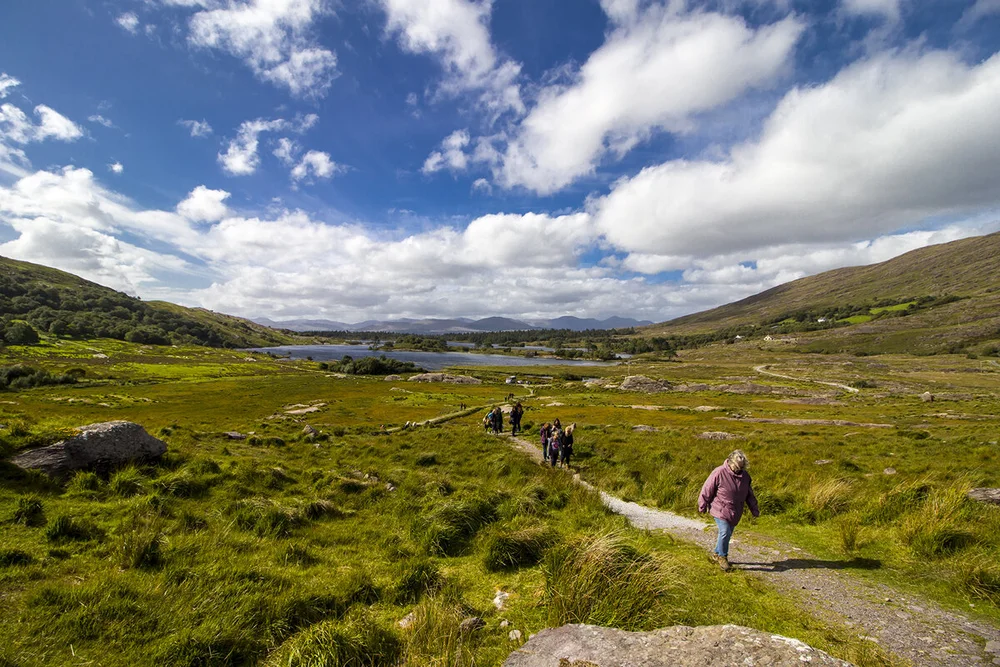
We call our tours ‘Wild Routes Ireland’ for a precise reason, because we select our destinations for either their outstanding natural beauty or their ecological, cultural, or mystical significance. You won’t read about them in guide books and are unlikely to find any other tour that includes them. We’ve also formed deep relationships with some of the country’s most respected guides and experts in forest ecology, herbalism, wild food foraging, traditional storytelling, and more to share their passions with you.
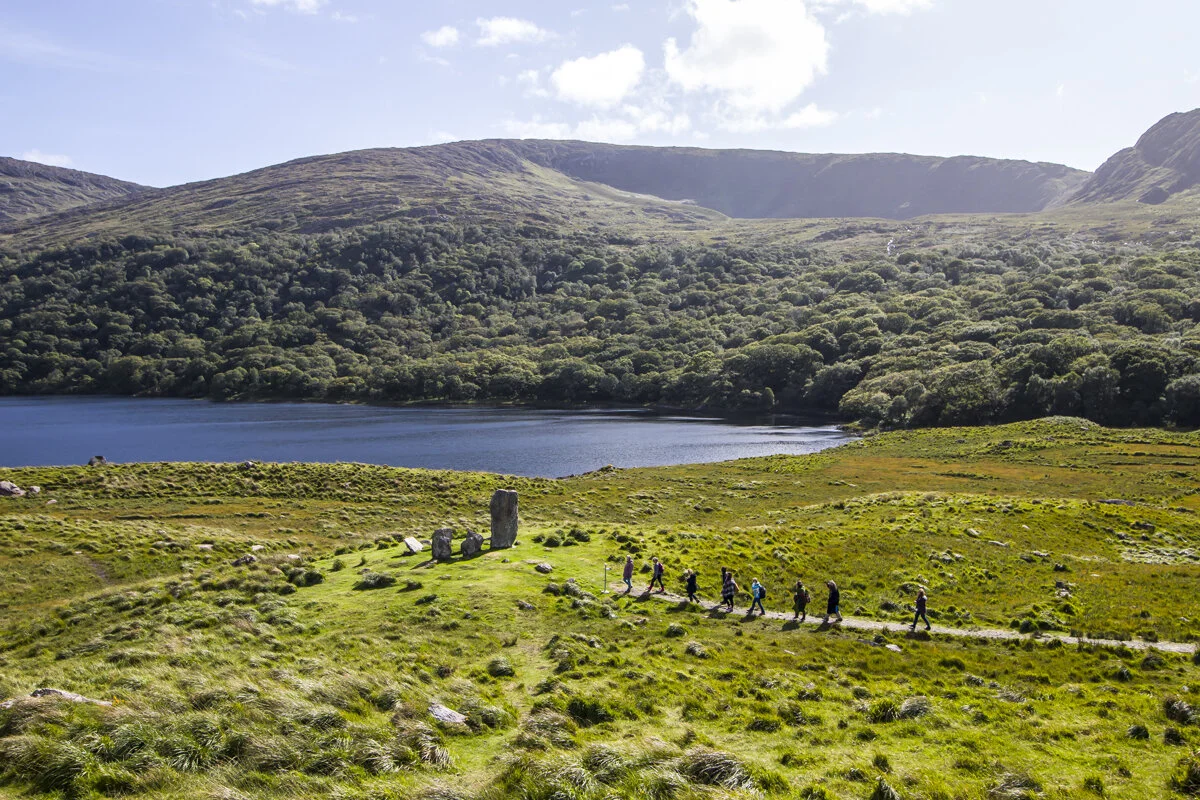
On a Wild Routes Tour you will walk in some of Ireland’s most ecologically important native woodlands, sit with one of its oldest trees, touch the ancient stones that have stood since before the time of the pyramids, get to know the local plants and dine on wild local foods, learn of the ancient customs and Brehon laws of Ireland and delight in stories about the little people or ‘daoine sidhe’ as they are locally known. You will be given plenty of opportunities to take a moment to yourself along the Wild Routes we travel, to take a breath and tune into the subtle energies of each place.
Many people experience a sense of coming home in Ireland. It is known by many that the veil is thin here meaning that the spirit world is very close and easy to enter. The sacred trees and fairy hills come alive and dance with the magic of the otherworld. Ireland has long been a place of spiritual pilgrimage, a place of deep healing and inspiration. There is a magic that pervades the landscape, the trees and the people. It is the return to these magical realms that perhaps is the return home many experience.
Ancient & Holy Wells of Ireland
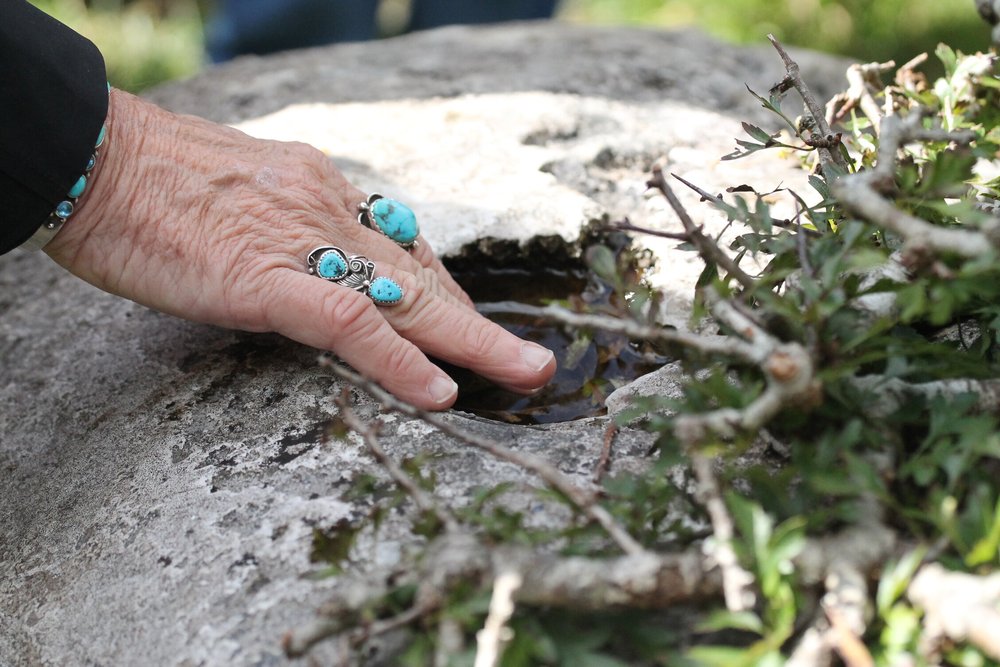
UisceA Historic Well is a well or spring where there is a tradition or history surrounding it.Wells have been very important to the Irish for various reasons.There is a strong tradition of veneration of water (hydrology), or association with religious or magical experience in the form of Holy or Sacred Wells/Springs.
There has also been a tradition of visiting certain wells for their health benefits, whether they be the ‘tangible’ benefits received from Iron, Sulphurous (etc) Spa Wells, or other health benefits received from the Holy Wells.The original tradition associated with the veneration of wells is thought to have originated several thousand years ago in pre-Christian times, and many exist now through the re-dedication of them to Christian Saints, although their form may have been considerably altered.
Ireland is said to possess approx 3,000 Holy Wells on the island, but this is not defined. We believe that there are many more, as a considerable amount are unrecorded. There are many less Spa Wells, and an indeterminable amount of domestic wells with a history or tradition attached.This group is to assist in the documenting of all Historic Well sites in Ireland.

Holy Wells of Cork & Kerry
UisceThere are approximately 357 holy wells in County Cork at the last count (Archaeological Inventory of Cork). A few are still the site of pilgrimage, others receive occasional visitors and some are neglected, forgotten or have even disappeared. Some are tiny indents in natural stones, others have imposing wellhouses and some are fern-strewn basins hidden in the undergrowth. All have their stories to tell and individually and collectively provide a fascinating glimpse into a way of life and set of beliefs that are steadily disappearing. Once every community would have had at least one well which was revered and visited for its healing qualities.
I set out on St Bridget’s Day 2016 to discover the state of the county’s holy wells and to record what I found. Three years later I have visited around 300 wells (the remaining 50 are mainly classified as no visible trace). Roughly speaking, one third have gone, one third are inactive and one third are still revered. But what an astonishing variety remain and what adventures have been had on the way.


